
What Is Fallopian Tube Pregnancy? Symptoms, Diagnosis & Treatment
Pregnancy is one of the happiest moments in a woman’s life. However, sometimes pregnancy does not develop in the right place. One such condition is Fallopian Tube Pregnancy, also called Tubal Pregnancy or Ectopic Pregnancy. This is a serious medical condition that needs immediate treatment. If it is not treated on time, it can become life-threatening.
At the IVF Center at Prabhukrupa Hospital, our experienced gynecologists and fertility specialists provide advanced diagnosis and treatment for all types of pregnancy-related conditions. Early diagnosis and expert care can help protect a woman’s health and future fertility.
In this blog, you will learn everything about Fallopian Tube Pregnancy, including its causes, symptoms, diagnosis, treatment, risks, recovery and prevention.
What Is Fallopian Tube Pregnancy?
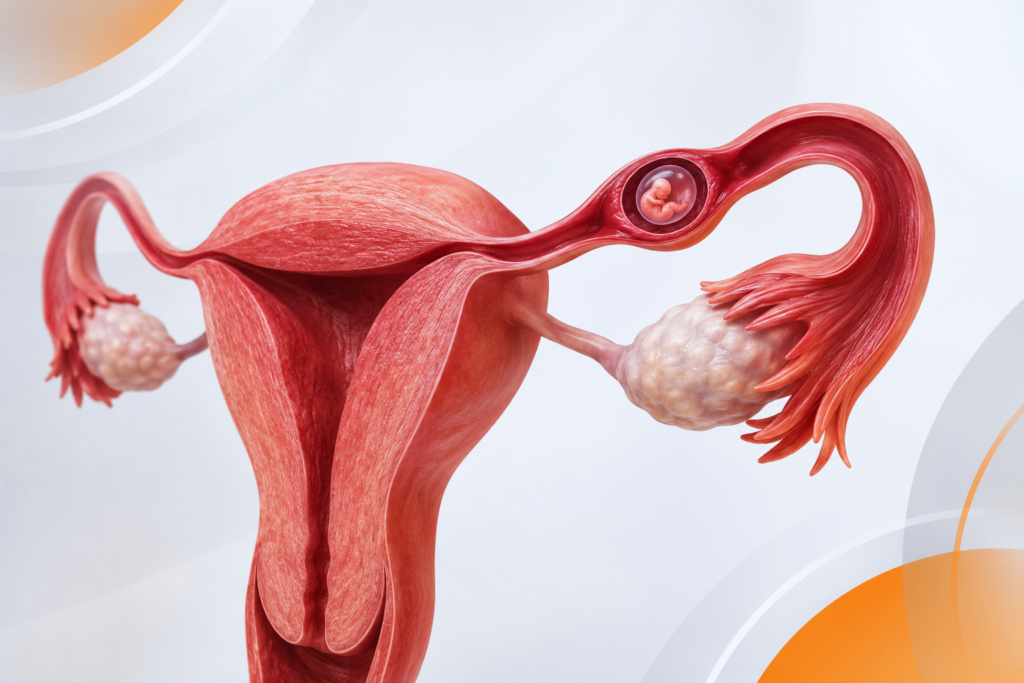
A Fallopian Tube Pregnancy, also known as an Ectopic Pregnancy, happens when a fertilized egg grows outside the uterus. In most cases, the fertilized egg attaches inside one of the fallopian tubes instead of the uterus. The fallopian tubes are thin tubes that carry the egg from the ovaries to the uterus.
In a normal pregnancy, the egg is released from the ovary and meets the sperm inside the fallopian tube. After fertilization, the egg travels to the uterus and attaches to its lining. The uterus is the only place where a baby can grow safely during pregnancy.
Sometimes, the fertilized egg cannot reach the uterus because the fallopian tube is blocked, damaged, or not working properly. As a result, the egg stays inside the fallopian tube and starts growing there. Since the fallopian tube is very small and narrow, it cannot stretch enough to support a growing pregnancy.
As the pregnancy continues to grow, it can put pressure on the fallopian tube. If it is not treated early, the tube may burst (rupture), causing severe internal bleeding. This is a medical emergency and needs immediate treatment to protect the mother’s life.
Unfortunately, a Fallopian Tube Pregnancy cannot develop into a healthy baby because the fallopian tube cannot support the pregnancy. The pregnancy must be treated as early as possible to prevent serious complications and protect the woman’s future fertility.
If you have a positive pregnancy test and experience one-sided abdominal pain, unusual vaginal bleeding, dizziness, or fainting, you should visit a doctor immediately. Early diagnosis and timely treatment can help prevent life-threatening complications and improve the chances of a healthy pregnancy in the future.
How Does a Normal Pregnancy Happen?
Before understanding a Fallopian Tube Pregnancy, it is important to know how a normal pregnancy happens. In a healthy pregnancy, the fertilized egg travels safely to the uterus, where it attaches and grows into a baby over the next nine months. Every step in this process is important. If any step does not happen correctly, it can lead to pregnancy complications like an Ectopic Pregnancy.
1. Ovulation – Release of the Egg
A normal pregnancy begins with ovulation. Every month, one of the ovaries releases a mature egg. This usually happens in the middle of the menstrual cycle. Once the egg is released, it enters the fallopian tube. The egg can live for about 12 to 24 hours while waiting for a sperm to fertilize it. If no sperm reaches the egg, the egg breaks down naturally and leaves the body during the next menstrual period.
2. Fertilization in the Fallopian Tube
If a woman has sexual intercourse during her fertile days, millions of sperm travel through the vagina, cervix and uterus to reach the fallopian tube. Usually, only one healthy sperm successfully joins with the egg. This process is called fertilization. After fertilization, a new cell is formed and this is the very first stage of a baby’s life.
3. Journey of the Fertilized Egg
After fertilization, the fertilized egg starts its journey through the fallopian tube toward the uterus. This journey usually takes about 3 to 5 days. During this time, the fertilized egg keeps dividing into more cells and grows little by little. The tiny hair-like structures inside the fallopian tube help move the fertilized egg safely toward the uterus.
4. Implantation in the Uterus
When the fertilized egg reaches the uterus, it attaches to the soft inner lining of the uterus. This step is called implantation. It usually happens about 6 to 10 days after fertilization. Once implantation is complete, the body starts producing pregnancy hormones and the pregnancy begins to grow normally inside the uterus.
5. Healthy Baby Development
After implantation, the embryo starts developing into a baby. The uterus is the safest place for the baby because it provides enough space, oxygen, nutrients and protection throughout pregnancy. The placenta also begins to develop and supplies food and oxygen to the growing baby. With regular pregnancy check-ups, healthy food and proper medical care, the baby continues to grow safely until birth.
6. When a Fallopian Tube Pregnancy Happens
Sometimes, the fertilized egg cannot reach the uterus. This may happen because the fallopian tube is blocked, damaged, swollen, or not working properly. Instead of reaching the uterus, the fertilized egg gets stuck inside the fallopian tube and starts growing there. This condition is called a Fallopian Tube Pregnancy or Ectopic Pregnancy.
What Causes Fallopian Tube Pregnancy?
A Fallopian Tube Pregnancy happens when the fertilized egg cannot reach the uterus and starts growing inside the fallopian tube. There are many reasons why this can happen. In most cases, the fallopian tube is blocked, damaged, or not working properly. Knowing these causes can help women understand their risk and seek medical care at the right time.
1. Blocked Fallopian Tubes
One of the most common causes of a Fallopian Tube Pregnancy is a blocked fallopian tube. If the tube is partially or completely blocked, the fertilized egg cannot travel to the uterus. Instead, it may get stuck inside the tube and begin growing there. Blocked tubes can happen because of previous infections, pelvic surgery, or scar tissue.
2. Damaged Fallopian Tubes
Healthy fallopian tubes help move the fertilized egg safely to the uterus. If the tubes are damaged, they may not work properly. Damage can happen due to pelvic infections, previous ectopic pregnancy, abdominal surgery, or other medical conditions. A damaged tube increases the chance of an ectopic pregnancy.
3. Hormonal Imbalance
Hormones play an important role in a healthy pregnancy. If there is a hormonal imbalance, the movement of the fertilized egg through the fallopian tube may slow down or stop. This can make it difficult for the egg to reach the uterus on time, increasing the risk of a fallopian tube pregnancy.
4. Pelvic Inflammatory Disease (PID)
Pelvic Inflammatory Disease (PID) is an infection of the female reproductive organs. If this infection is not treated early, it can damage the fallopian tubes and leave scar tissue inside them. These scars can block the normal path of the fertilized egg, making an ectopic pregnancy more likely.
5. Endometriosis
Endometriosis is a condition where tissue similar to the lining of the uterus grows outside the uterus. This can affect the fallopian tubes and nearby organs. In some women, endometriosis causes scar tissue or changes in the shape of the reproductive organs, making it harder for the fertilized egg to reach the uterus.
6. Previous Ectopic Pregnancy
Women who have had an ectopic pregnancy in the past have a higher chance of having another one. This is because the previous pregnancy may have damaged the fallopian tube. If you have had an ectopic pregnancy before, it is important to visit your doctor as soon as you become pregnant again so that the pregnancy can be checked early.
7. Fertility Treatment or IVF
Women who are receiving fertility treatment or IVF (In Vitro Fertilization) may have a slightly higher risk of an ectopic pregnancy, especially if they already have damaged fallopian tubes. However, IVF is carefully monitored by fertility specialists and early pregnancy scans help detect any problems as soon as possible.
8. Previous Pelvic or Abdominal Surgery
Women who have had surgery on the pelvis, abdomen, or fallopian tubes may develop scar tissue after the operation. This scar tissue can change the normal shape of the fallopian tubes or block them, making it difficult for the fertilized egg to move freely toward the uterus.
9. Congenital Fallopian Tube Problems
Some women are born with fallopian tubes that are not fully developed or have an unusual shape. These congenital abnormalities are rare, but they can make it difficult for the fertilized egg to travel normally. This may increase the risk of a fallopian tube pregnancy.
Risk Factors for Tubal Pregnancy
Some women have a higher chance of developing a Tubal Pregnancy or Ectopic Pregnancy than others. This does not mean that they will definitely have this condition, but their risk may be higher. Women who are 35 years or older, have had a previous ectopic pregnancy, or have undergone pelvic or abdominal surgery may be more likely to experience a fallopian tube pregnancy. Other conditions, such as blocked fallopian tubes, endometriosis and pelvic inflammatory disease (PID), can also make it difficult for the fertilized egg to travel safely to the uterus.
Women who are receiving fertility treatment or IVF, those who smoke, or those who have had sexually transmitted infections (STIs) may also have a higher risk because these conditions can affect the health and normal function of the fallopian tubes. However, it is important to remember that many women with these risk factors still have healthy pregnancies, while some women without any known risk factors can also develop an ectopic pregnancy.
The best way to reduce the risk of serious complications is to have early pregnancy check-ups and an ultrasound scan as soon as pregnancy is confirmed. If you have any of these risk factors or notice symptoms such as one-sided abdominal pain, vaginal bleeding, dizziness, or shoulder pain, consult your doctor immediately. Early diagnosis and timely treatment can protect your health and improve your chances of a healthy pregnancy in the future.
Symptoms of Fallopian Tube Pregnancy
A Fallopian Tube Pregnancy may not show clear symptoms in the beginning. Many women think they have a normal pregnancy because the early signs are very similar. However, as the pregnancy grows inside the fallopian tube, the symptoms become more noticeable and may become serious. Knowing these warning signs can help you get early medical treatment and avoid life-threatening complications.
1. Missed Period in Pregnancy
A missed period is often the first sign of pregnancy. Women with a fallopian tube pregnancy usually miss their monthly period just like in a normal pregnancy. This is why many women do not realize that something is wrong during the early weeks.
2. Positive Pregnancy Test
Most women with a Fallopian Tube Pregnancy get a positive result on a home pregnancy test. This happens because the body still produces pregnancy hormones. However, even with a positive test, the pregnancy is growing outside the uterus, so it is very important to visit a doctor for an early ultrasound scan.
3. One-Sided Lower Abdominal Pain
Pain on one side of the lower abdomen is one of the most common symptoms of an ectopic pregnancy. The pain may start as mild discomfort but can become stronger over time. It usually happens on the side where the fertilized egg has attached inside the fallopian tube.
4. Vaginal Bleeding or Spotting
Some women may notice light spotting or unusual vaginal bleeding during early pregnancy. The bleeding may be lighter or darker than a normal menstrual period. Any bleeding during pregnancy should never be ignored and should be checked by a doctor as soon as possible.
5. Shoulder Pain in Ectopic Pregnancy
Shoulder pain may seem unusual, but it can be an important warning sign of a Fallopian Tube Pregnancy. If the fallopian tube starts leaking or ruptures, blood can collect inside the abdomen and irritate the nerves that reach the shoulder. This may cause pain even though there is no injury to the shoulder.
6. Weakness, Dizziness, or Fainting
If internal bleeding occurs, a woman may feel weak, dizzy, or even faint. This happens because the body loses blood, which lowers blood pressure. These symptoms should never be ignored because they may be signs of a medical emergency.
7. Severe Abdominal Pain
As the pregnancy grows, the fallopian tube may stretch beyond its limit. If the tube ruptures, sudden and severe abdominal pain can occur. The pain may be very intense and can make it difficult to stand, walk, or move comfortably. This condition needs emergency medical treatment immediately.
How Is Fallopian Tube Pregnancy Diagnosed?
A Fallopian Tube Pregnancy should be diagnosed as early as possible because early treatment can prevent serious complications and protect a woman’s health. In the early weeks, the symptoms may look like a normal pregnancy, so doctors use different tests to confirm whether the pregnancy is growing inside the uterus or outside it. A combination of blood tests, ultrasound and physical examination helps doctors make an accurate diagnosis.
1. Pregnancy Blood Test
One of the first tests your doctor may recommend is a Beta hCG blood test. This test measures the level of the pregnancy hormone called Human Chorionic Gonadotropin (hCG) in your blood. In a healthy pregnancy, the hCG level usually increases in a predictable way every few days. If the hormone level is lower than expected or is not rising normally, it may be a sign of an ectopic pregnancy. This test alone cannot confirm the condition, but it gives the doctor important information.
2. Transvaginal Ultrasound Scan
A Transvaginal Ultrasound is one of the most important tests for diagnosing a Fallopian Tube Pregnancy. During this scan, a small ultrasound probe is gently placed inside the vagina to get a clear view of the uterus, ovaries and fallopian tubes. The doctor checks whether the pregnancy is inside the uterus or growing outside it. This scan can also detect internal bleeding or a swollen fallopian tube, helping doctors start treatment as early as possible.
3. Physical Examination for Ectopic Pregnancy
The doctor will also perform a physical examination to understand your symptoms. During the examination, the doctor checks for pain, tenderness, swelling, or unusual vaginal bleeding. If you have severe pain on one side of the lower abdomen or signs of internal bleeding, the doctor may recommend immediate treatment without delay.
4. Repeat Blood Tests
Sometimes, one blood test is not enough to confirm the diagnosis. Your doctor may ask you to repeat the Beta hCG blood test after 48 hours. In a normal pregnancy, the hormone level usually increases as expected. If the level rises slowly, stays the same, or starts to fall, it may indicate an ectopic pregnancy or another pregnancy-related problem. Comparing two blood test results helps doctors understand how the pregnancy is developing.
Treatment for Fallopian Tube Pregnancy
The treatment for a Fallopian Tube Pregnancy depends on how early it is diagnosed, the size of the pregnancy and the woman’s overall health. The main goal is to remove the pregnancy safely, prevent complications and protect future fertility whenever possible.
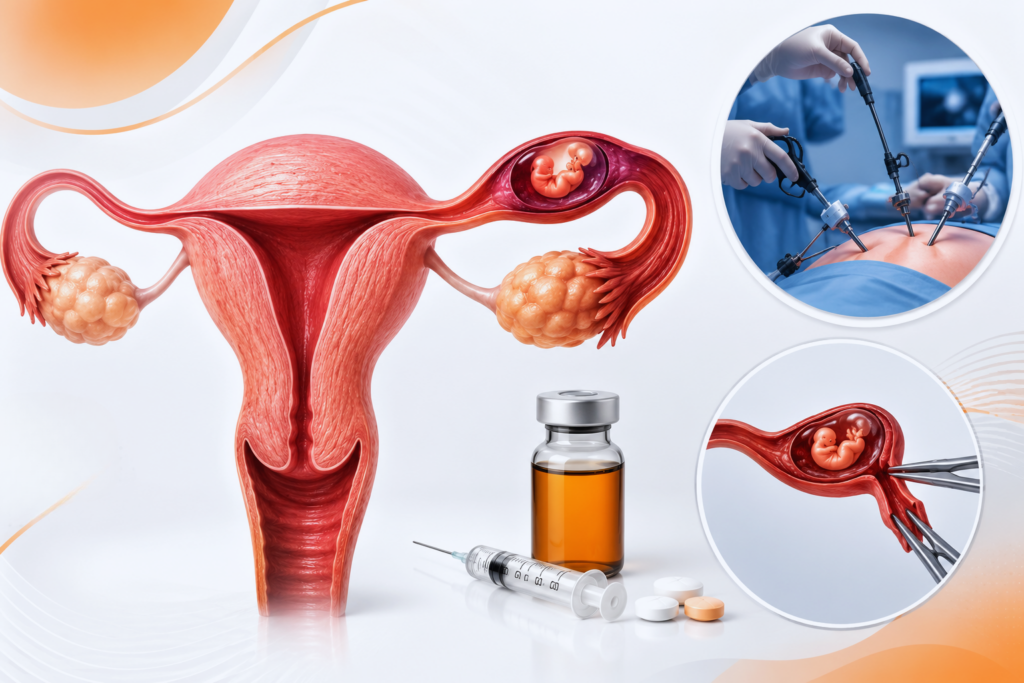
If the condition is found early and the fallopian tube has not ruptured, the doctor may recommend Methotrexate medicine. This medicine stops the pregnancy from growing and the body slowly absorbs the pregnancy tissue. Regular Beta hCG blood tests are needed to make sure the treatment is working.
If medicine is not suitable, laparoscopic surgery may be needed. This is a minimally invasive surgery done through small cuts in the abdomen. The doctor removes the ectopic pregnancy and tries to save the fallopian tube whenever possible to support future pregnancy.
If the fallopian tube has ruptured, it is a medical emergency. Immediate surgery is needed to stop internal bleeding and remove the ectopic pregnancy. In some cases, the damaged fallopian tube may also need to be removed.
At the IVF Center at Prabhukrupa Hospital, our experienced gynecologists provide early diagnosis, advanced treatment, emergency care and complete follow-up for Fallopian Tube Pregnancy. Our goal is to protect your health and help you plan a healthy pregnancy in the future.
Can Fallopian Tube Pregnancy Be Prevented?
A Fallopian Tube Pregnancy cannot always be prevented because it can happen even when a woman has no known risk factors. However, following healthy lifestyle habits and taking proper care of your reproductive health can help reduce the risk. Knowing the warning signs and getting medical care at the right time are the best ways to prevent serious complications.
One of the most important steps is to keep your reproductive system healthy. Treat pelvic infections as early as possible because untreated infections can damage the fallopian tubes. Practicing safe sex can also help reduce the risk of sexually transmitted infections (STIs), which may lead to pelvic inflammatory disease (PID). In addition, avoiding smoking is important because smoking can affect the normal function of the fallopian tubes and increase the risk of an ectopic pregnancy.
Regular visits to a gynecologist are also very important, especially if you have a history of blocked fallopian tubes, endometriosis, pelvic surgery, fertility treatment, or a previous ectopic pregnancy. Once you become pregnant, an early pregnancy ultrasound scan can confirm that the pregnancy is developing inside the uterus. Women who have undergone IVF or other fertility treatments should attend all follow-up appointments and carefully follow their doctor’s advice for early monitoring.
Although not every Fallopian Tube Pregnancy can be prevented, early diagnosis can make a big difference. Never ignore symptoms such as one-sided abdominal pain, vaginal bleeding, dizziness, shoulder pain, or severe stomach pain during early pregnancy. Getting immediate medical attention can help doctors diagnose the condition early, provide the right treatment, protect your health and improve your chances of having a healthy pregnancy in the future.
When Should You Visit a Doctor?
A Fallopian Tube Pregnancy can become a serious medical emergency if it is not diagnosed and treated early. Many of the early symptoms may look like a normal pregnancy, which is why it is important to pay attention to any unusual signs. If you have a positive pregnancy test and experience severe abdominal pain, especially on one side, you should visit a doctor immediately. Early medical evaluation can help identify the problem before it becomes dangerous.
You should also seek medical care if you notice vaginal bleeding during pregnancy, dizziness, fainting, or shoulder pain. These symptoms may be signs of internal bleeding caused by an ectopic pregnancy. Some women may also experience sudden, severe stomach pain, which can happen if the fallopian tube ruptures. This is a life-threatening emergency and requires immediate treatment.
Do not wait for the symptoms to get worse or hope they will go away on their own. Visiting a gynecologist as soon as you notice these warning signs can help doctors diagnose the condition early and provide the right treatment. Early diagnosis and timely medical care can prevent serious complications, protect your health, and improve your chances of a healthy pregnancy in the future.
Why Choose Prabhukrupa Hospital & IVF Center?
At the IVF Center at Prabhukrupa Hospital, we understand that pregnancy complications can be emotionally and physically challenging. Our experienced gynecologists provide compassionate, personalized care for every patient.
We offer:
- Advanced ultrasound diagnosis
- Experienced gynecologists
- Early pregnancy monitoring
- Emergency pregnancy care
- Laparoscopic surgery
- Fertility evaluation
- IVF and infertility treatment
- Personalized pregnancy care
- Modern medical facilities
- Patient-focused treatment
Our goal is to provide safe, timely and effective care so every woman receives the best possible treatment.
Frequently Asked Questions (FAQs)
1. Is Fallopian Tube Pregnancy the Same as Ectopic Pregnancy?
Yes. A Fallopian Tube Pregnancy is the most common type of Ectopic Pregnancy. It happens when the fertilized egg grows inside the fallopian tube instead of the uterus and requires immediate medical care.
2. Can a Fallopian Tube Pregnancy Become a Normal Pregnancy?
No. A fallopian tube pregnancy cannot move into the uterus or develop into a healthy baby. Early treatment is necessary to protect the mother’s health.
3. Is Ectopic Pregnancy Dangerous?
Yes. If left untreated, an ectopic pregnancy can cause the fallopian tube to rupture, leading to severe internal bleeding. Early diagnosis and treatment are very important.
4. Can I Become Pregnant After an Ectopic Pregnancy?
Yes. Many women have healthy pregnancies after proper treatment. Before planning another pregnancy, consult your gynecologist for the right guidance and early monitoring.
5. How Early Can Ectopic Pregnancy Be Diagnosed?
An ectopic pregnancy can usually be diagnosed between 5 and 8 weeks of pregnancy using a Beta hCG blood test and a transvaginal ultrasound scan. Early diagnosis helps prevent serious complications.
Conclusion
A Fallopian Tube Pregnancy is a serious medical condition that requires immediate attention. Recognizing the symptoms early and getting the right treatment can save a woman’s life and protect her future fertility. If you experience severe abdominal pain, abnormal bleeding, or dizziness during early pregnancy, do not delay seeking medical care.
At the IVF Center at Prabhukrupa Hospital, our experienced specialists provide expert diagnosis, emergency care, fertility counseling, and compassionate support for women facing ectopic pregnancy. Early treatment leads to better outcomes and helps women plan for a healthy future pregnancy with confidence.