
10 Daily Habits That Are Secretly Damaging Your Bones & Joints
Bones and joints play an essential role in supporting the body, allowing movement, and protecting important organs. However, many people unknowingly follow daily habits that slowly weaken their bones and joints over time. These habits may not cause immediate pain, but in the long run they can lead to stiffness, joint pain, reduced mobility, and even serious orthopedic conditions.
At Prabhukrupa Hospital, specialists often see patients who develop bone and joint problems due to lifestyle habits that could easily be prevented. Understanding these habits and making small changes can help protect your bones and joints for years to come.
1. Sitting for Long Hours
Modern lifestyles often involve long hours of sitting at a desk, working on computers, or using mobile phones. Sitting for extended periods reduces blood circulation and puts pressure on the spine and joints.
Over time, this habit can lead to back pain, stiff joints, and weak muscles that support the bones. Taking short breaks, stretching, and maintaining proper posture can help reduce this risk.
2. Poor Posture
Poor posture while sitting, standing, or using digital devices puts extra stress on the spine, neck, and joints. Many people unknowingly bend their neck forward while using phones or slouch while sitting.
This continuous strain can lead to neck pain, spinal issues, and joint discomfort. Maintaining proper posture and adjusting workstations can significantly reduce pressure on bones and joints.
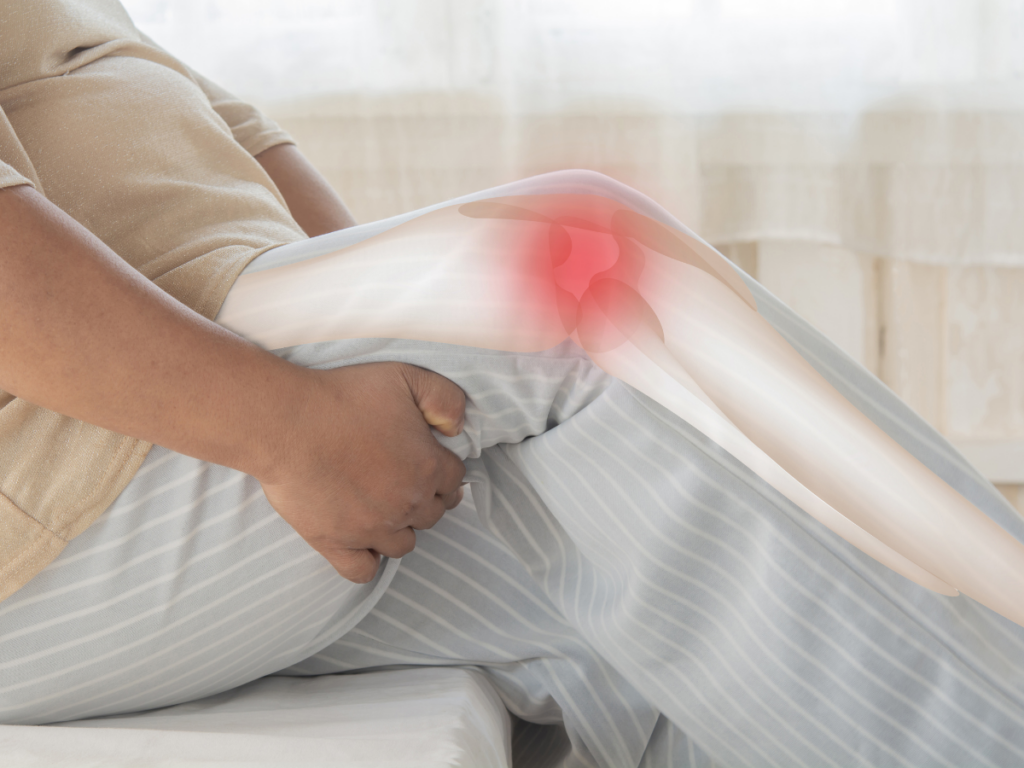
3. Lack of Physical Activity
Bones and joints stay strong when they are regularly used. A sedentary lifestyle weakens muscles and reduces bone density.
Without regular movement or exercise, joints become stiff and bones may become more prone to fractures. Activities such as walking, stretching, and light strength exercises help maintain joint flexibility and bone strength.
4. Poor Nutrition
Bones require essential nutrients like calcium, vitamin D, and protein to stay strong. A diet lacking these nutrients can slowly weaken bone structure.
Eating too much processed food and not enough dairy products, leafy vegetables, nuts, and fruits can negatively affect bone health. A balanced diet supports healthy bones and joints.
5. Excess Body Weight
Carrying extra body weight places additional pressure on weight-bearing joints such as the knees, hips, and ankles.
Over time, this pressure can wear down joint cartilage and lead to joint pain or conditions such as arthritis. Maintaining a healthy weight helps reduce stress on the joints and improves mobility.
6. Ignoring Small Joint Pain
Many people ignore early signs of joint discomfort or mild pain, thinking it will go away on its own. However, untreated joint problems may gradually worsen.
Early medical consultation can help detect underlying issues and prevent more serious joint conditions in the future.
7. Wearing Improper Footwear
Footwear plays an important role in maintaining proper body alignment. High heels, poorly fitted shoes, or footwear without proper support can affect the knees, hips, and spine.
Over time, this may lead to joint pain and posture problems. Comfortable and supportive footwear can help protect joints during daily activities.
8. Sleeping in Poor Positions
The way a person sleeps can also affect bone and joint health. Sleeping in awkward positions or using improper pillows can strain the neck and spine.
Maintaining proper sleeping posture and using supportive mattresses and pillows helps keep the spine aligned and reduces joint stress.
9. Overuse of Joints
Repeating the same movements for long periods—such as lifting heavy objects, excessive smartphone use, or repetitive work—can strain joints and muscles.
Overuse injuries may develop gradually and lead to inflammation or joint damage. Taking breaks and practicing proper body mechanics can prevent such problems.
10. Smoking and Excessive Alcohol Consumption
Smoking reduces blood supply to bones and interferes with calcium absorption, which weakens bone structure. Excessive alcohol consumption can also affect bone formation and increase the risk of fractures.
Avoiding these habits supports overall bone health and reduces the risk of long-term orthopedic issues.
Protecting Your Bones and Joints
Healthy bones and joints are essential for maintaining mobility and an active lifestyle. Simple lifestyle changes such as staying physically active, maintaining a balanced diet, practicing good posture, and seeking early medical care can make a significant difference.
At Prabhukrupa Hospital, experienced orthopedic specialists provide advanced diagnosis and treatment for various bone and joint conditions. With the right guidance, preventive care, and modern treatment options, patients can maintain strong bones, healthy joints, and a better quality of life.
Conclusion
Daily habits often have a greater impact on bone and joint health than people realize. Small lifestyle choices—like sitting posture, diet, physical activity, and footwear—can either protect or slowly damage the body over time.
By becoming aware of these habits and making healthier choices, individuals can reduce the risk of joint pain, bone weakness, and mobility problems. Regular check-ups and expert care from orthopedic specialists at Prabhukrupa Hospital can also help ensure long-term bone and joint health.